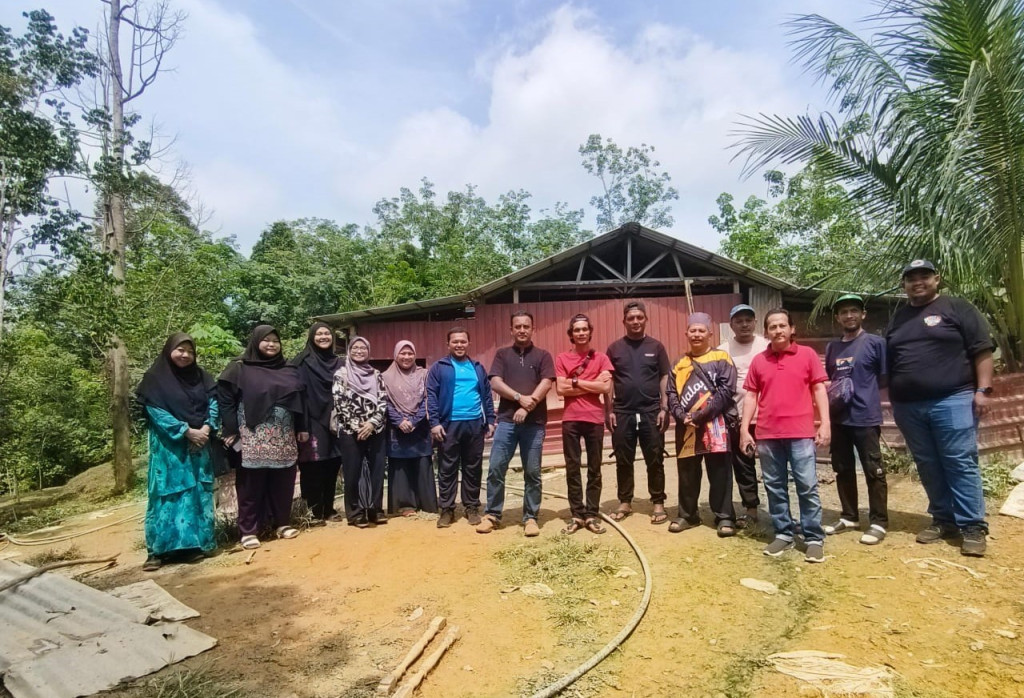
When I joined the duck egg farming project under APPGM-SDG as a Solution Provider, I believed my contribution would mainly be technical—sharing knowledge, structuring modules, and ensuring implementation followed the plan. I soon realized that this journey was not just about transferring skills, but about walking alongside a community as they rediscovered their own potential.
On the first day, I stood among participants whose faces reflected both hope and uncertainty. Some had never been involved in farming. Others were quietly searching for a way to stabilize their household income. In that moment, SDG 1 (No Poverty) and SDG 8 (Decent Work and Economic Growth) felt very real. My role was not to promise success, but to create a pathway—one built on discipline, learning, and trust.
As we introduced the four-month roadmap—covering coop management, training schedules, and marketing—participants began to see that this was more than “raising ducks.” It was about building sustainable livelihoods. Through Module 1 on Sustainable Agriculture, I watched perspectives shift. Participants learned that farming could protect the environment, reduce costs, and improve food quality. This was SDG 2 (Zero Hunger) and SDG 12 (Responsible Consumption and Production) unfolding through everyday farm practices.
One of the most meaningful challenges was encouraging confidence, especially among women participants. At first, many hesitated to speak. Over time, through inclusive discussions and hands-on learning, their voices grew stronger. Witnessing this transformation reminded me why SDG 4 (Quality Education) and SDG 5 (Gender Equality) must be embedded intentionally. Learning is not effective unless everyone feels seen and valued.
The turning point came during our site visits. Standing in the middle of large-scale farms, surrounded by thousands of ducks, participants began to understand that every egg carries a story of planning, hygiene, and discipline. During the second visit, where infrastructure design and sanitation were highlighted, I saw fear replaced with belief. They no longer asked if a community farm could work—they discussed how to do it better.
By the fourth month, participants no longer saw themselves as recipients of assistance. They spoke as contributors to local food systems and community resilience. This shift reflected SDG 11 (Sustainable Communities)—not through infrastructure alone, but through empowered people.
This journey taught me that my role with APPGM-SDG is not to lead from the front, but to walk beside communities—translating global goals into lived experiences. Sustainable development begins when people believe they are capable. And sometimes, the most powerful change starts quietly—with learning, trust, and the courage to begin.